










Have questions or want to learn more about how Filtralite® can support your project?

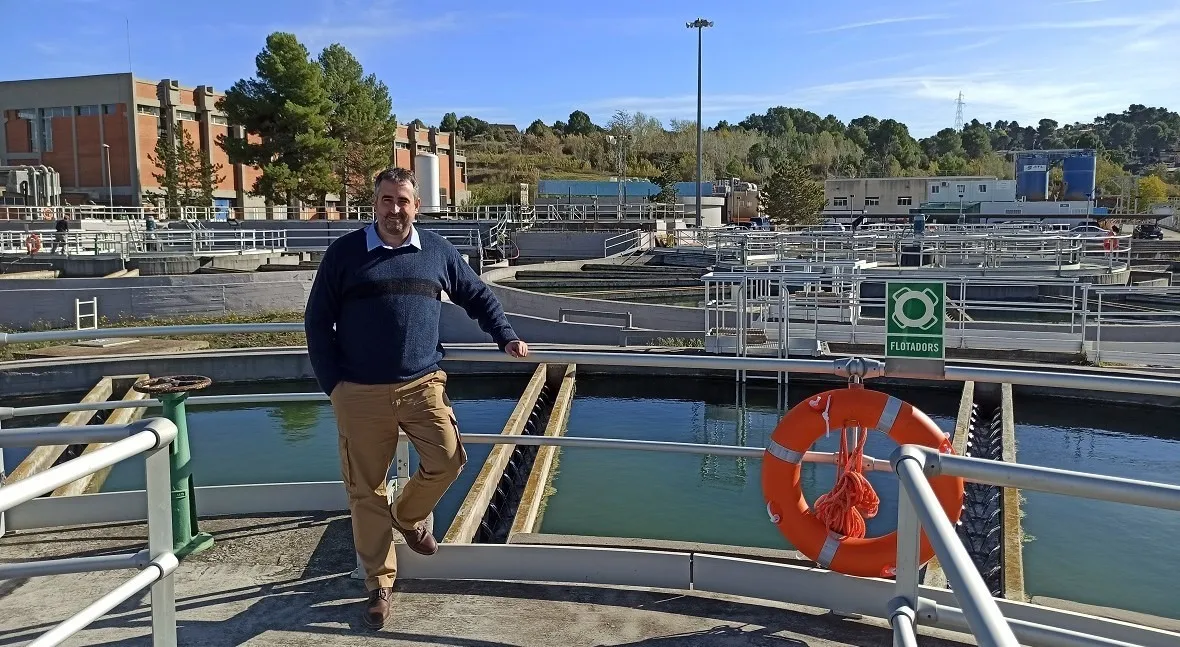
“Taking into account savings in energy, washing water and other aspects, we have calculated a ROI of approximately 2.3 years. […] The results showed that with the Filtralite solution, the filtration run times were increased, reducing the number of washes by 66%.”
Santiago Gonzalez Avellana
Plant Manager, Llobregat drinking water treatment plant
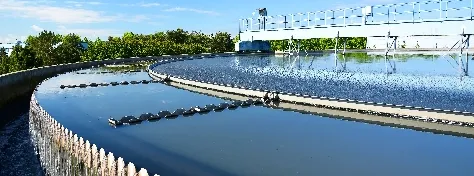
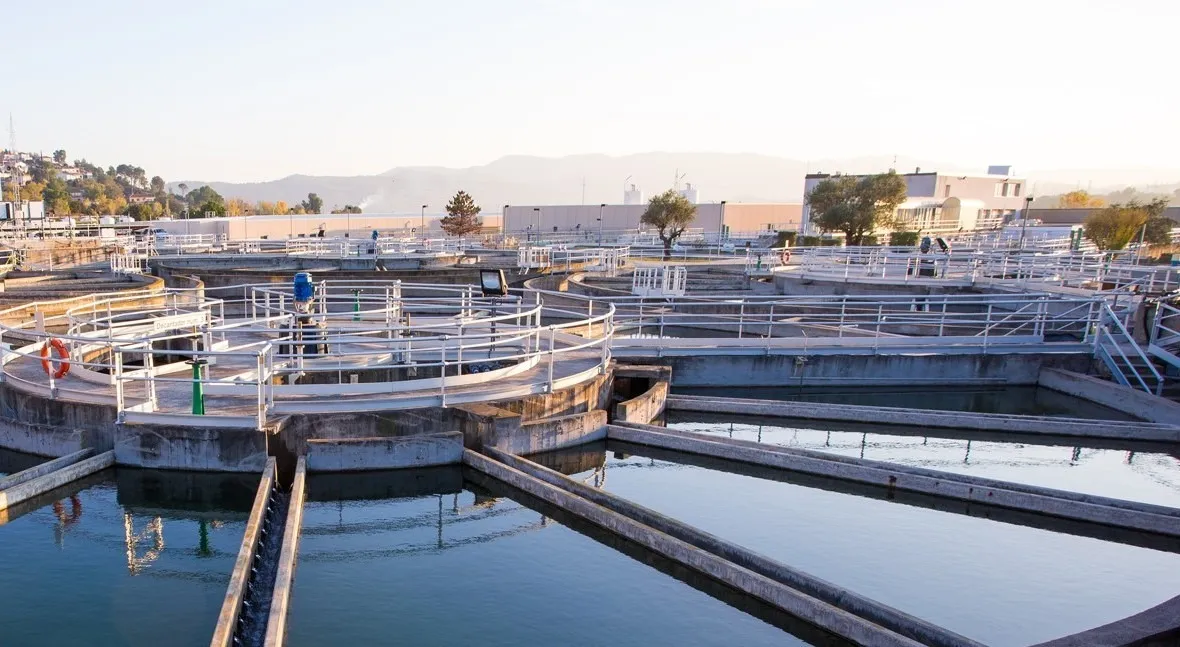
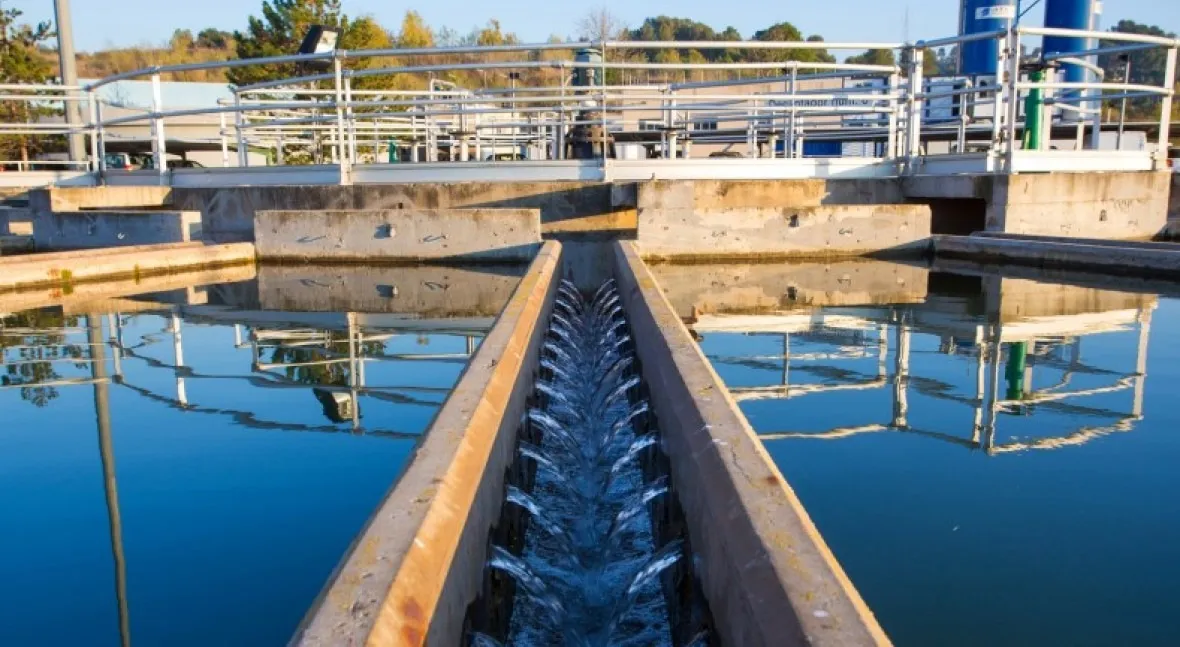
Located in Abrera (Barcelona) and in operation since 1980, the Llobregat Drinking Water Treatment Plant is one of three plants supplying drinking water to the Barcelona metropolitan area. It has a daily capacity of more than 200,000 m³.
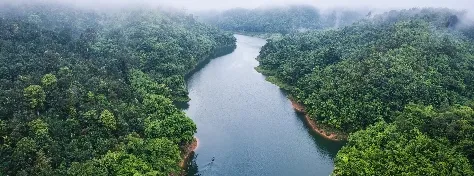
The plant takes its raw water from the Llobregat River, a complex water source to render potable. The river has an irregular flow and is under pressure from high demographic and industrial activity, including saltwater runoff. Treating this water has always been a challenge for the Abastament d'Aigua Ter-Llobregat (ATL) water utility.
The main challenges arise from the high content of micro-organisms, conductivity between 1000 and 2050 µS/cm, total organic carbon (TOC) levels of 5–10 mg/L, and the presence of bromide between 0.5 and 1.2 mg/L. Additionally, the water temperature varies greatly, from 2 to 27 ºC.
The treatment line is designed for a capacity of 3.2 m³/s and includes the following steps: pre-oxidation with KMnO₄, pH adjustment with CO₂, coagulation-flocculation, sedimentation, oxidation with ClO₂, sand filtration, filtration with GAC, polarity reversal electrodialysis, and final disinfection with sodium hypochlorite (bleach).
Over the past 10 years, ATL has made significant investments to improve the plant’s treatment line. ATL has consistently prioritised innovation, adaptation to new standards, sustainability, and reduced operating costs. For example, the plant now includes the world’s largest electrodialysis step, and photovoltaic solar panels supply part of its energy needs.
Within this vision of continuous improvement, ATL’s R&D department and plant management identified the optimisation of the sand filtration step as a key opportunity. Conventional sand filtration, as in many other water treatment plants, is one of the main process bottlenecks, with high water and energy consumption for backwashing.
Moreover, the high frequency of backwashing limits production capacity while simultaneously reducing effluent water quality. Filtralite is designed to address these challenges by reducing the number of backwashes, minimising water loss, and lowering the carbon footprint per cubic meter of water produced.
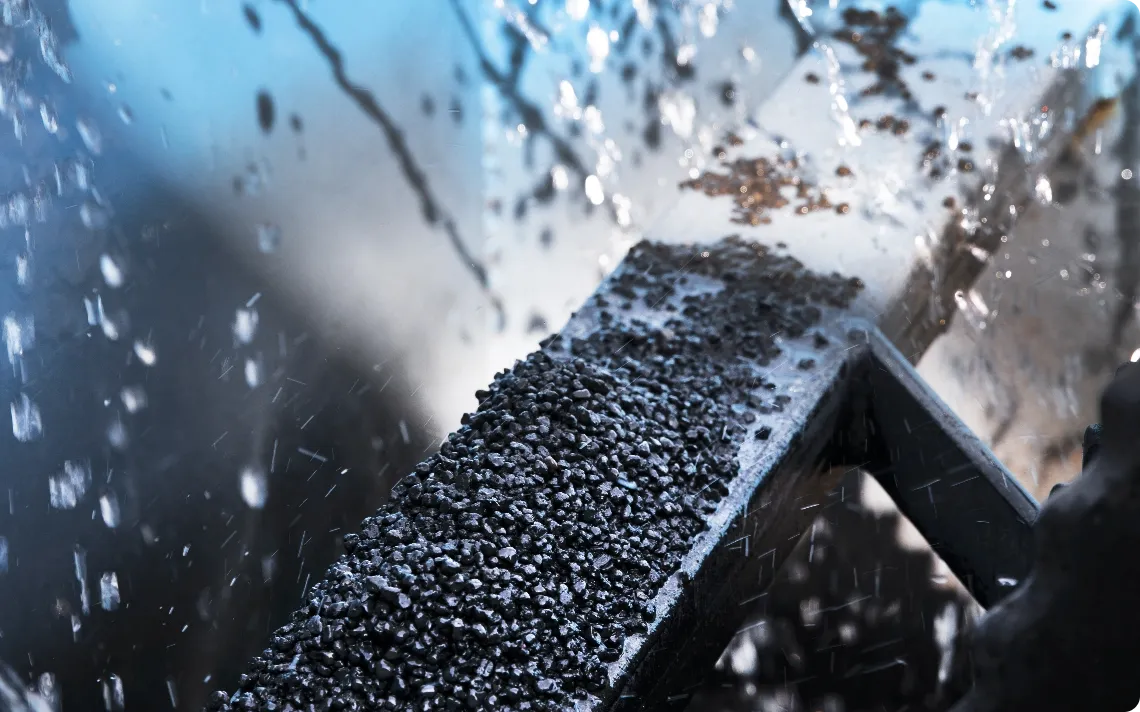
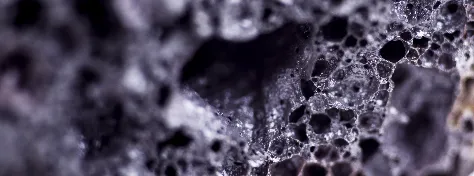
Filtralite Mono-Multi is a dual-layer filtration media manufactured by Saint-Gobain. Made of expanded clay, it consists of an upper layer of low-density, half-crushed material (NC 1.5–2.5) and a lower layer of high-density, half-crushed material (HC 0.8–1.6). This composition, manufactured to high industrial standards, optimises the configuration of the filter bed. Additionally, Filtralite offers unique technical properties such as high specific surface area, high porosity, excellent wear resistance, and lightness that facilitate backwashing.
With low head loss and high suspended solids (SS) retention capacity, Filtralite can operate at very high filtration rates. The Oset Drinking Water Treatment Plant in Oslo is an example of this, operating at a filtration rate of 20 m/h with open filters. High-speed filtration translates into greater water production for the same filtration area. This approach has allowed Filtralite to solve challenges that are difficult to address with conventional filtration technologies.
ATL began an industrial-scale test in November 2018 on one of the 137 m³ sand filters at the Llobregat plant. The objective was to validate, in situ, the performance of Filtralite Mono-Multi compared to traditional sand filtration. The pilot evaluated increases in filter cycle length, effluent quality, and Filtralite’s performance under critical conditions such as high SS levels and high turbidity.
After more than seven months of testing, Filtralite operated in parallel with a sand filter under the same operating strategy, maintaining the same flow rate and backwashing procedures in both cases.
During this period, the Filtralite filter was in operation for 3,900 hours, treating a total of 2.78 Hm³. To filter this volume, the Filtralite filter required only 16 backwashes, while the control sand filter required 45. This 1:3 backwash ratio clearly demonstrates the operational efficiency of Filtralite. In addition, under challenging inlet water conditions — with high turbidity and SS — Filtralite showed greater resilience to clogging and better overall performance.
Importantly, the Filtralite backwashing process did not require any changes to the existing systems — the current blowers and pumps remained optimal. According to ATL data, energy use, equipment operation, and water consumption for backwashing were reduced by a factor of three with Filtralite. Combined with its high durability of more than 20 years, Filtralite offers a very short payback period — less than three years, according to Saint-Gobain’s calculations.
In conclusion, Filtralite Mono-Multi once again demonstrates significant operational advantages over sand filtration in drinking water treatment plants. It is a quick and simple solution to improve processes, reduce OPEX, and increase production capacity. In short, Filtralite enables the production of more water at a lower cost.
![Tecno Aqua: Evaluación Filtralite como alternativa en la ETAP Llobregat [In Spanish]](/sites/filtralite.com/files/styles/webp/public/article_cover/Articulo_Tecnico_Documentation_Image.png.webp?itok=onALEB5n)
![Smart Water Magazine interview: Santiago Gonzalez Avellana [In English]](/sites/filtralite.com/files/styles/webp/public/article_cover/Interview_Santiago_Documentation_Image.png.webp?itok=kmGwkeu4)

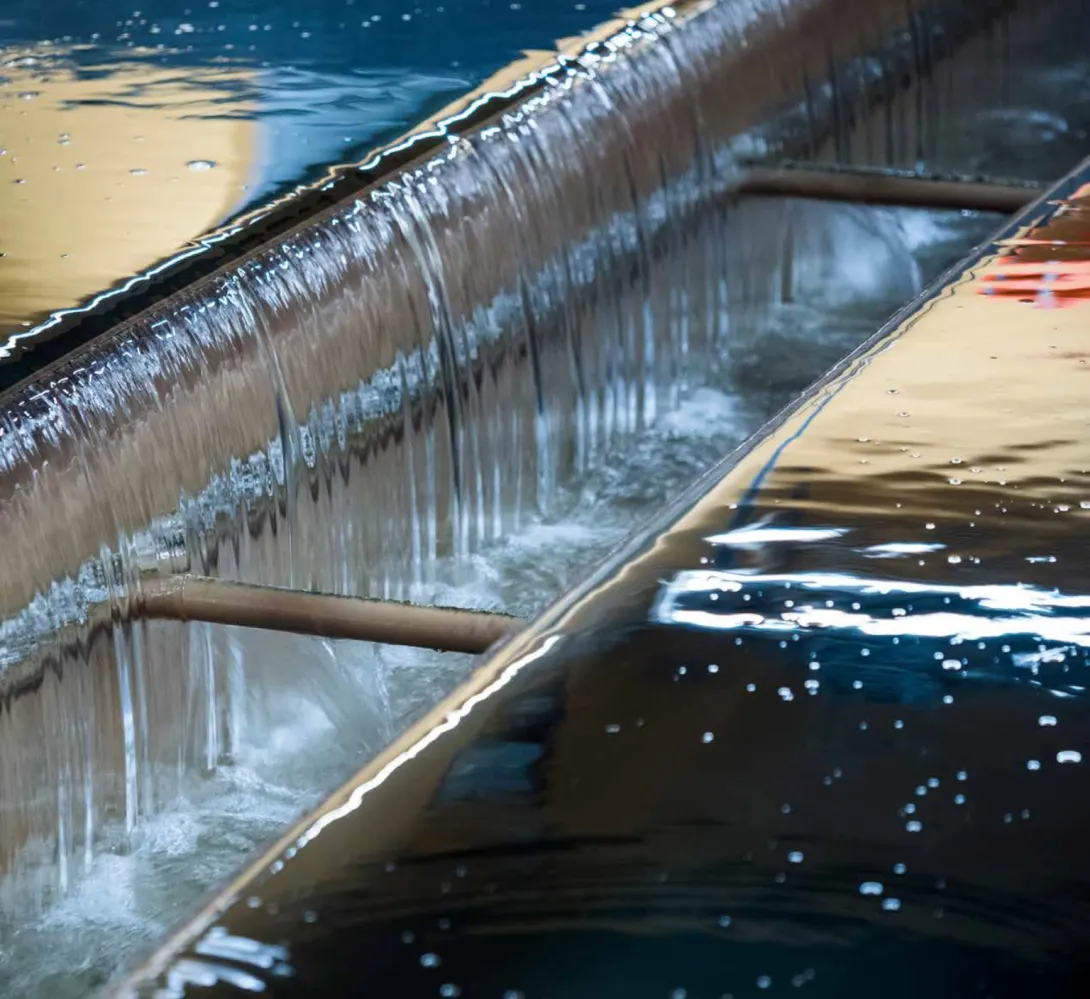
Designed for drinking water plants and pre-treatment for desalination, Filtralite Pure is a filter media suitable for both physical filtration and biological treatment