











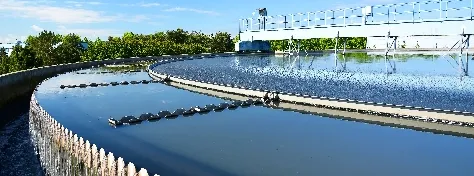

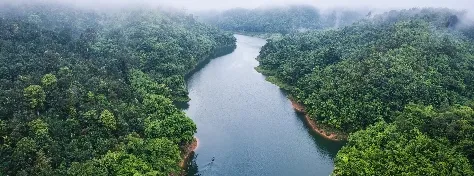

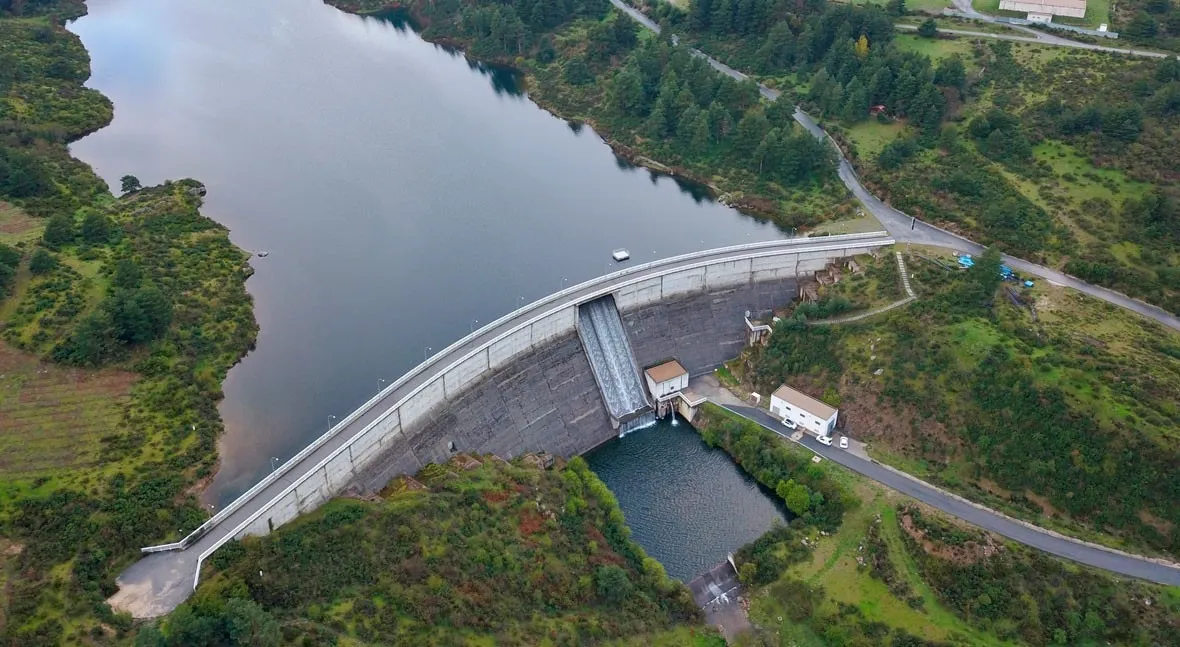
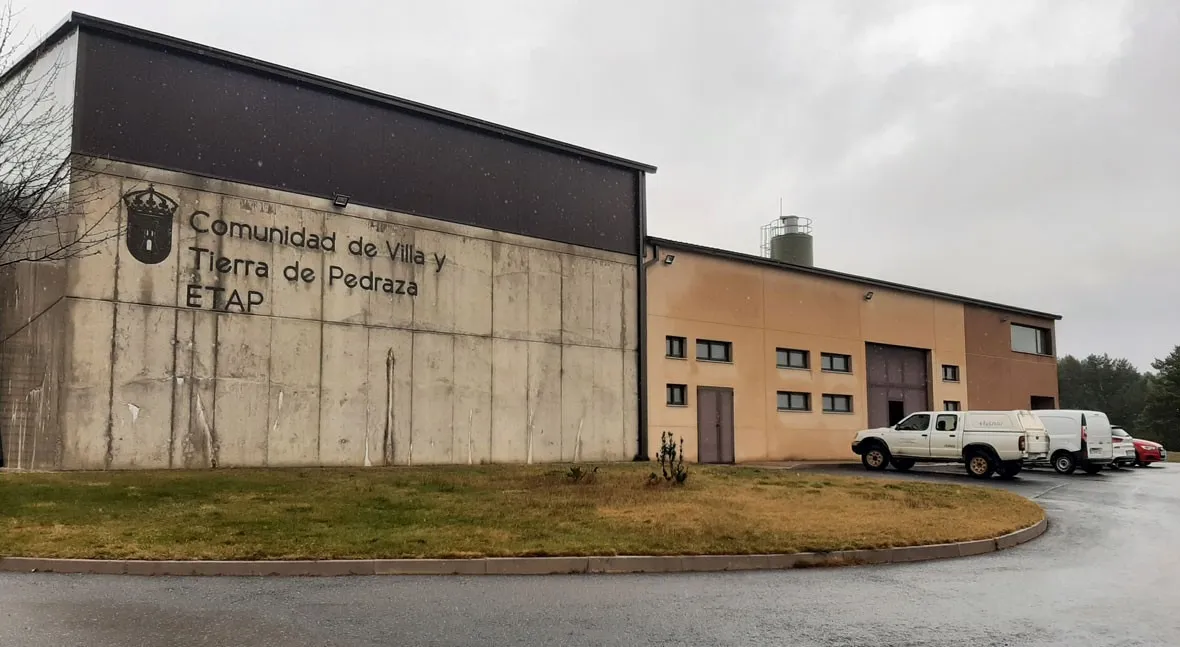
The drinking water production plant serving the community of Villa and Tierra de Pedraza in Segovia, Spain, was built by the Ministry of Agriculture, Fisheries and Food in 2012. The raw water is sourced from the Céguilla River, which originates as a high mountain torrent.
However, the flow of this small stream is insufficient to supply the population during the summer months. As a result, raw water is withdrawn and stored to be redistributed during periods of low flow. This new process highlighted the presence of iron and manganese linked to the area’s geology. These compounds are mainly present in cationic forms and partially complexed with organic matter. Their concentrations range from 0.15 mg/l to 0.7 mg/l for iron and from 0.07 mg/l to 0.2 mg/l for manganese.
Limitations of Conventional Filtration
Until 2021, iron and manganese were removed in their cationic forms using conventional oxidation — with strong oxidants — followed by sand and anthracite filtration. This method has several limitations and undesirable side effects. At higher concentrations, strong oxidants such as potassium or sodium permanganate must be used in proportion to the concentration of each cation, which is difficult to adjust in real time.
Furthermore, oxidation leads to rapid clogging of sand filters due to increased particulate matter. Traditional sand filters trap particles on the surface and clog quickly, requiring frequent backwashing and significantly reducing production capacity. The process can also cause water discolouration if overdosing occurs and may generate undesirable oxidation by-products.
Enhanced Performance with Filtralite® Pure
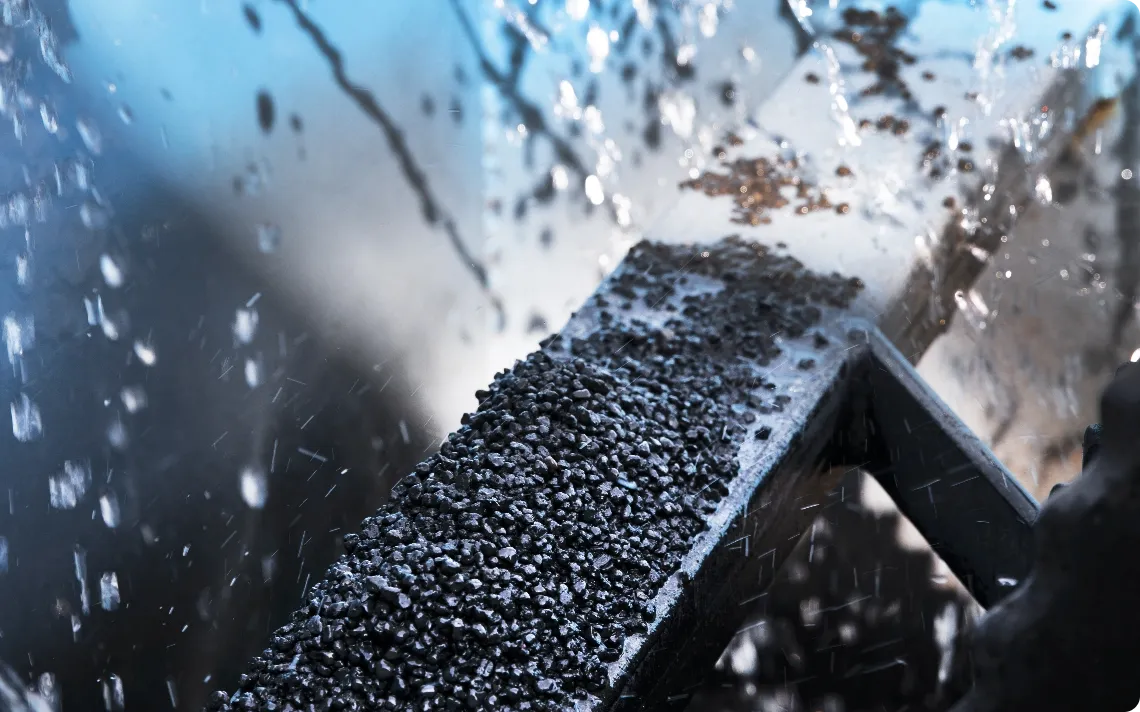
To improve water treatment performance, ACUAES, in collaboration with Elecnor SyP, defined an action plan in 2019. The first phase involved column tests with Filtralite® Pure to assess performance gains from replacing the sand-anthracite filter bed. Results for removing the cationic forms of iron and manganese were highly positive, leading to the decision to replace all filter media in the plant.
At the beginning of 2021, Elecnor SyP replaced the anthracite and sand media in all four filters with Filtralite® Pure. Throughout that year, the plant’s performance was closely monitored, and the improvements were significant.
During summer, production capacity increased from 220 m³/h with sand-anthracite to 300 m³/h with Filtralite® Pure — a 36% increase. This boost made it possible to reduce the plant’s daily operating hours from 18 to 13.5.
Significant Gains in Efficiency and Water Quality
The frequency of backwashing in summer also dropped drastically thanks to Filtralite®’s higher retention capacity, and the permanganate dosage was reduced to a minimum. Water savings associated with the reduced backwashing are estimated at approximately 140 m³ per day. Consequently, the proportion of water used for backwashing compared to total water production decreased from 4.4% to just 0.9%.
Economically, the reduced water use translates into a return on investment for the switch from sand-anthracite to Filtralite® Pure in just one year. In addition, the use of oxidation treatments has been significantly reduced, and the plant now consistently produces filtered water with an average turbidity below 0.3 NTU.
Key Results with Filtralite® Pure
Filtralite® Pure has enabled the Pedraza drinking water production plant to:
- Increase production capacity by more than 30%
- Reduce OPEX and water and energy losses associated with backwashing by more than 75%
- Achieve iron and manganese removal targets while minimising permanganate use