










![Vestfjorden Wastewater Treatment Plant (Veas) [In English]](/sites/filtralite.com/files/styles/webp/public/article_cover/Veas_Documentation_Image.png.webp?itok=HhPjbB-J)
![Article: Renere Oslofjord med Filtralite [In Norwegian]](/sites/filtralite.com/files/styles/webp/public/article_cover/Veas_Website_Image.png.webp?itok=E-x0MN02)

Have questions or want to learn more about how Filtralite® can support your project?

“The special porosity of expanded clay enables the bio-filters to host bacteria and act as a physical filter simultaneously.”
Øystein Moursund
Advisor of Veas
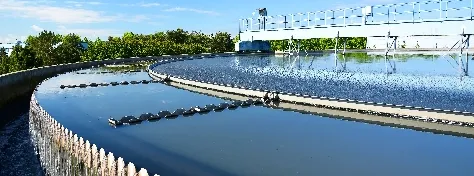
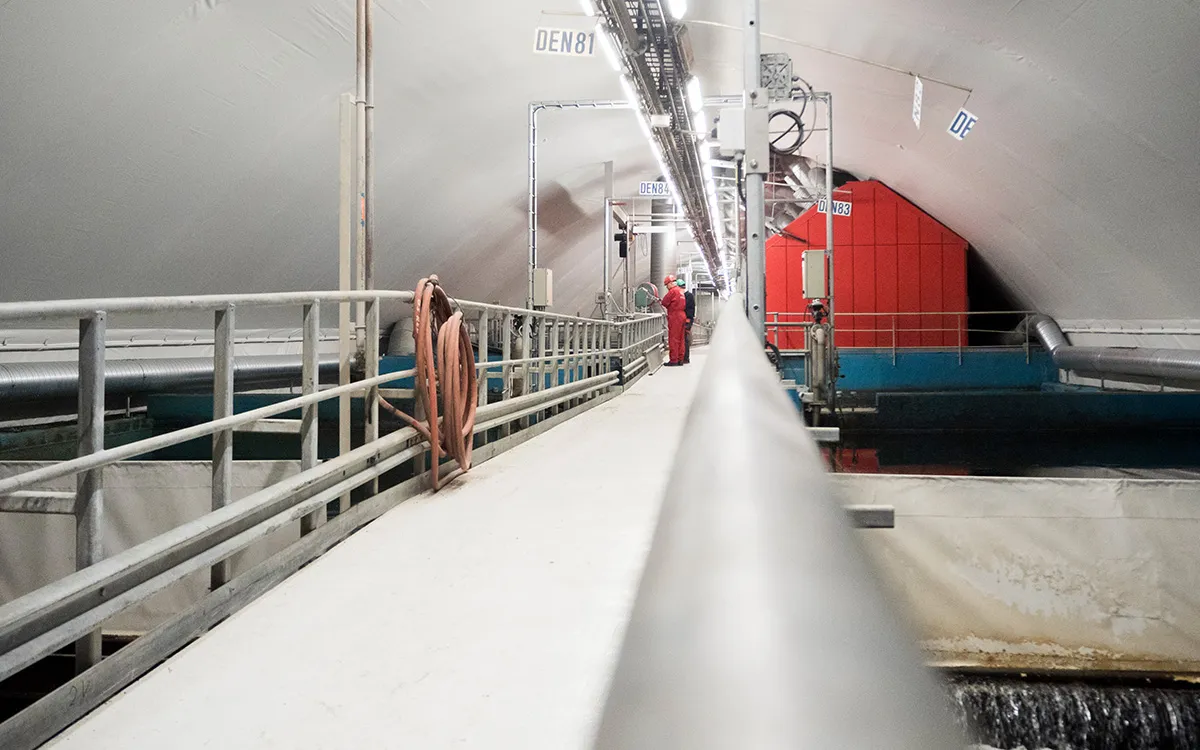
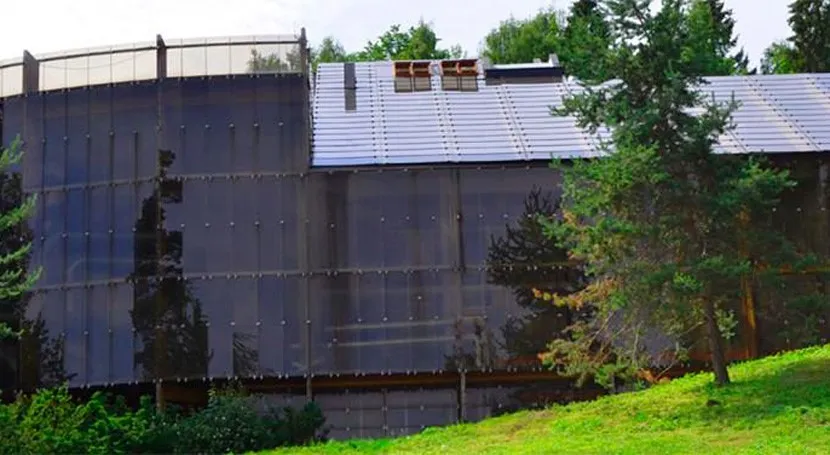
At Norway’s largest wastewater treatment plant, VEAS in Oslo, Filtralite® filter media has proven extremely durable as both a bio-substrate and a filtering medium. After 25 years of operation with daily backwashing, there has been no need for replacement.
Treating an annual volume of around 100 million m³, nitrogen removal is a major objective for the VEAS plant. Filtralite® plays a key role in the nitrification and denitrification processes, which take place downstream of chemical flocculation and sedimentation.
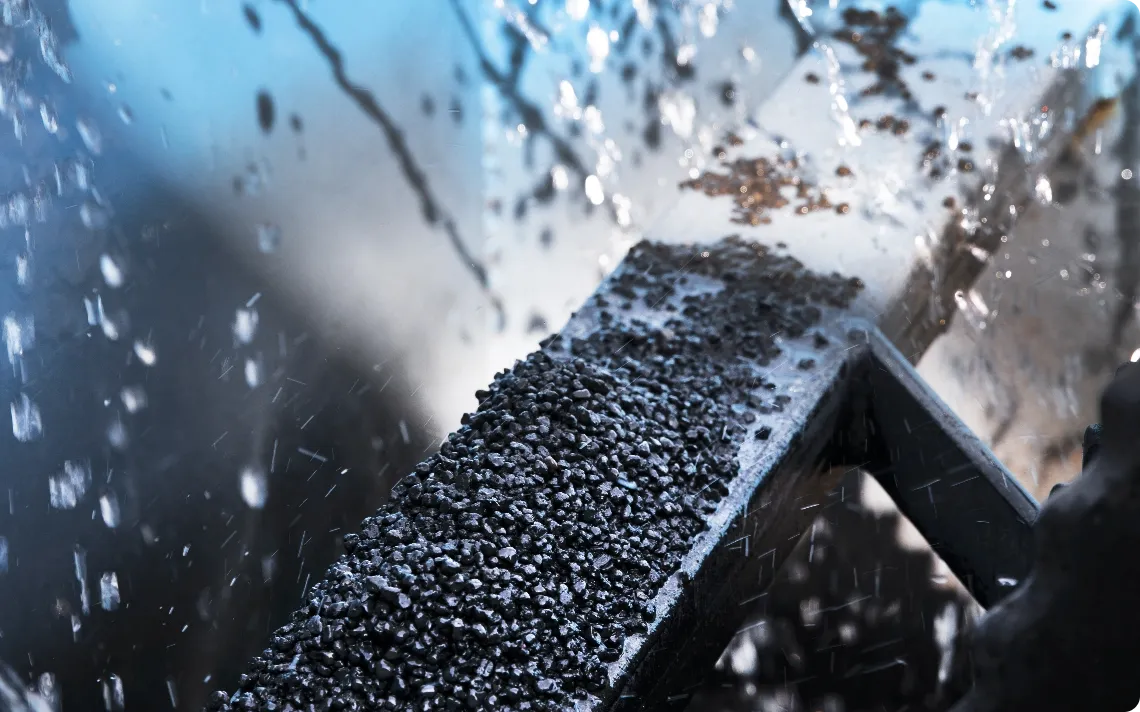
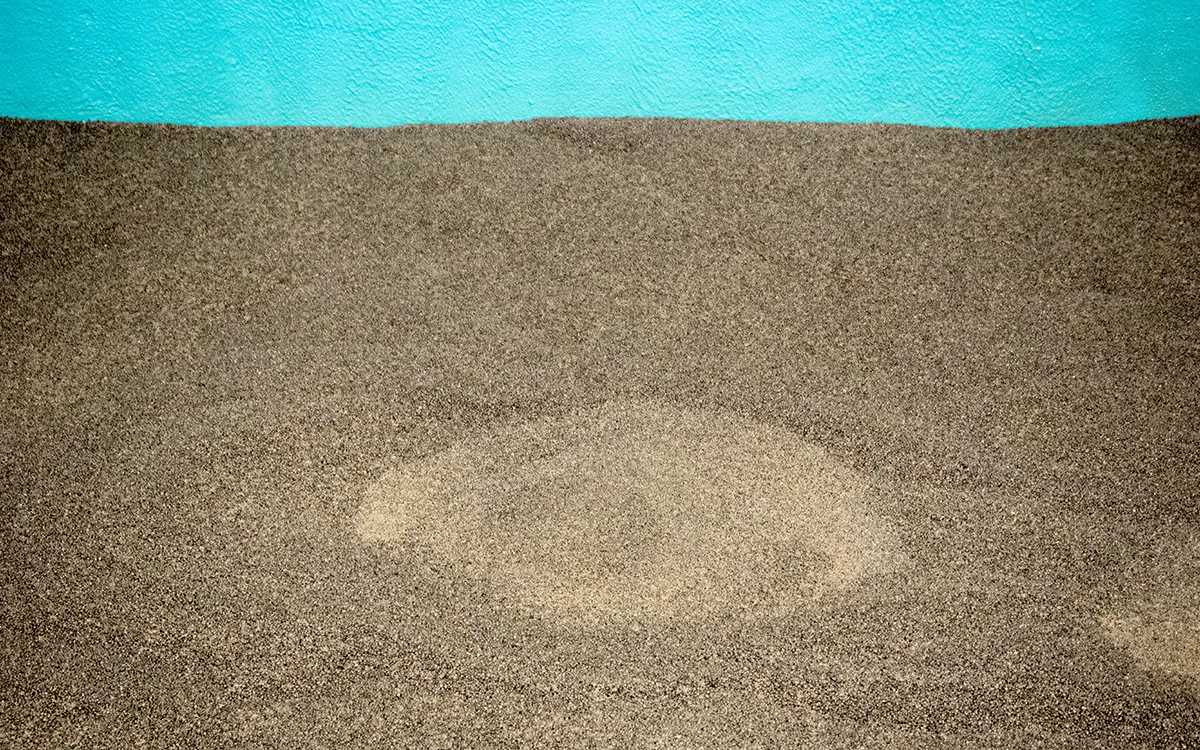
The unique biofiltration process consists of eight nitrification biofilters, each followed by a denitrification biofilter. The nitrification stage is an aerobic biofilter that consumes dissolved organics, converting them into sludge, carbon dioxide, and nitrate. The substrate used in this step is Filtralite® Clean HC 2.5–5 (crushed aggregates).
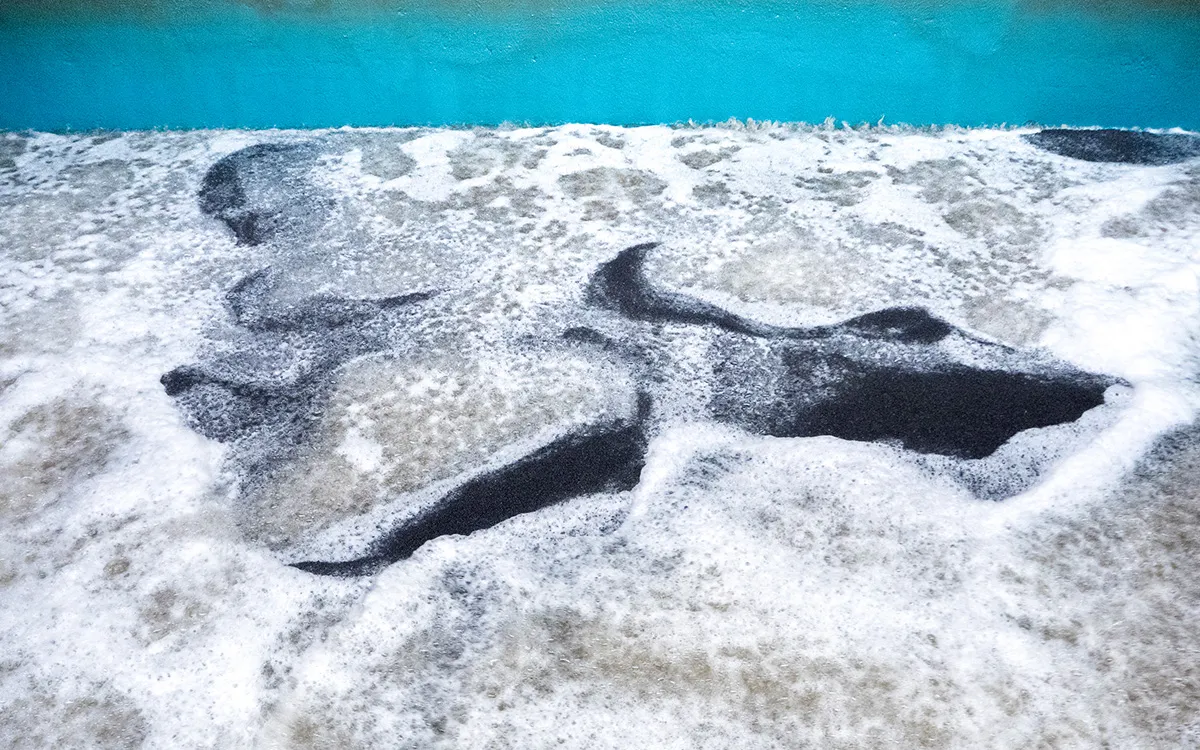
In the subsequent anaerobic biofilters, nitrates are converted into nitrogen gas. Here, Filtralite® Clean HR 3–6 (round material) acts as both the substrate and the filtering medium.
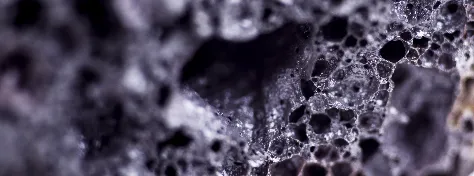
Filtralite® Clean media were developed specifically for VEAS by Norwegian researchers seeking to imitate and enhance natural processes. The special porosity of expanded clay allows the biofilters to both host bacteria and act as physical filters simultaneously, explains Øystein Moursund, Senior Advisor at VEAS.
All filters are backwashed daily, and the sludge is sent for processing and agricultural use. VEAS has also increased its capacity by installing additional filters of the same type to handle growing loads.
It is the porous structure of Filtralite® that enables this dual function — trapping particles while providing ideal conditions for bacteria to thrive inside the pores, thus maintaining a robust and stable bio-culture.

Designed for wastewater treatment plants and treatment of industrial waters, Filtralite Clean is a filter media suitable for both biological treatment and tertiary filtration.