















Have questions or want to learn more about how Filtralite® can support your project?

“Filtralite Clean contributes to the respect of the Urban Wastewater Directive and the European Regulation.”
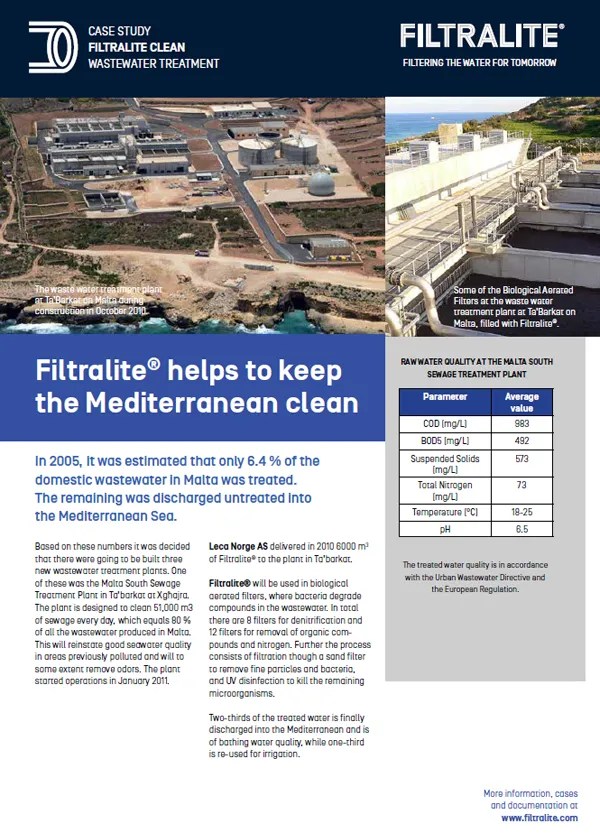
In 2005, only 6.4% of Malta’s domestic wastewater was treated, with the rest discharged untreated into the Mediterranean Sea. This caused significant environmental challenges, including degraded seawater quality and increased odour problems near coastal areas. To address this, the Maltese authorities decided to build three new wastewater treatment plants as part of a national strategy to comply with the EU Urban Wastewater Treatment Directive and improve water quality.
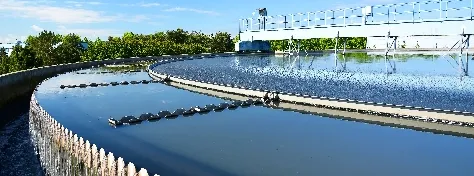
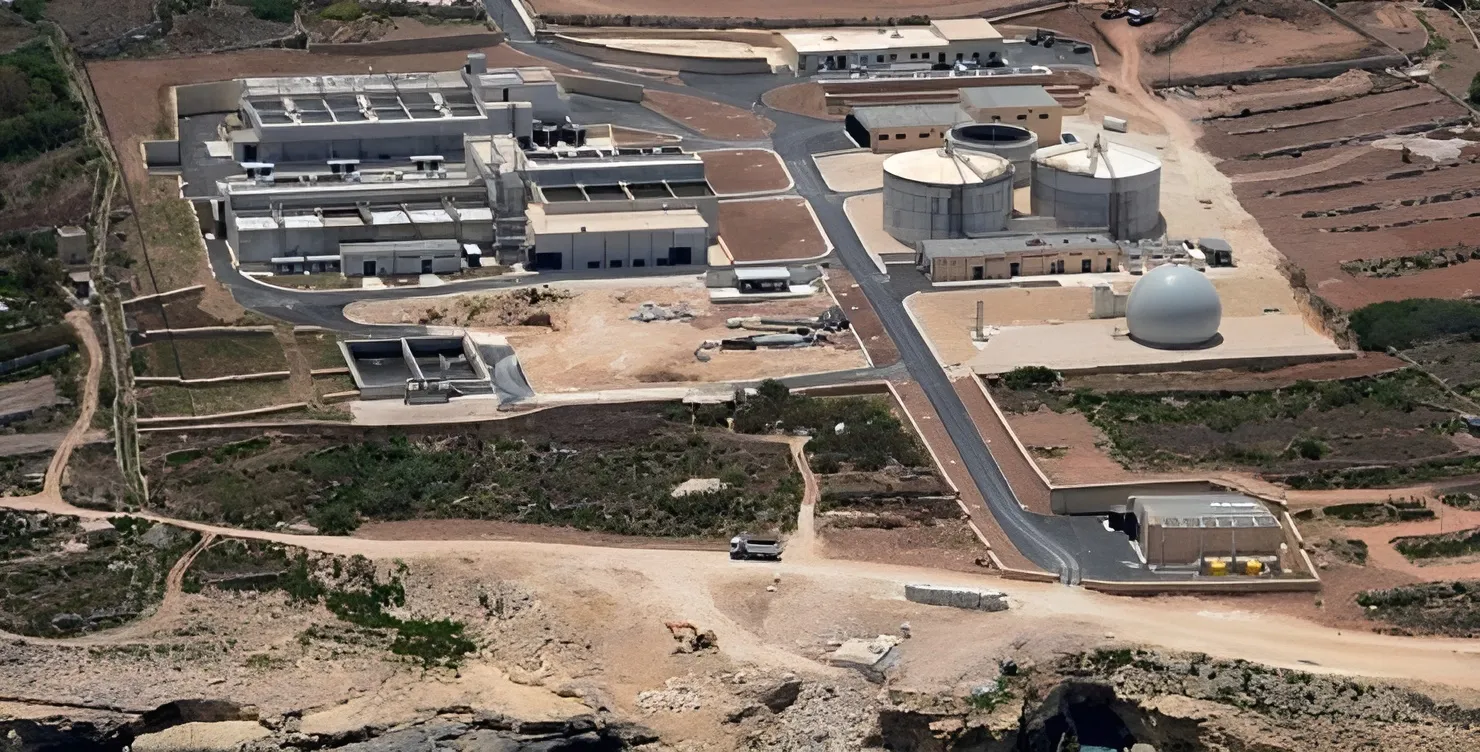
One of these facilities is the Malta South Sewage Treatment Plant in Ta’ Barkat, Xgħajra, designed to treat 51,000 m³ of wastewater per day, which represents 80% of all wastewater produced in Malta. The plant, which began operations in January 2011, plays a key role in restoring seawater quality in previously polluted areas, reducing odours, and enabling water reuse.
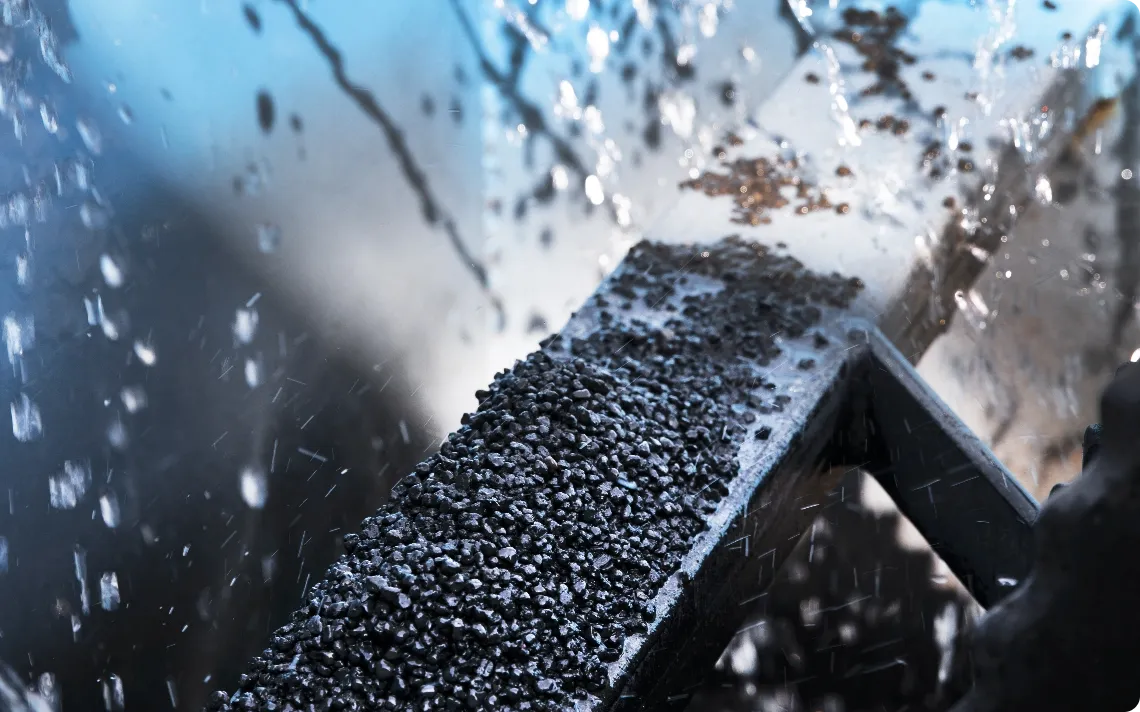
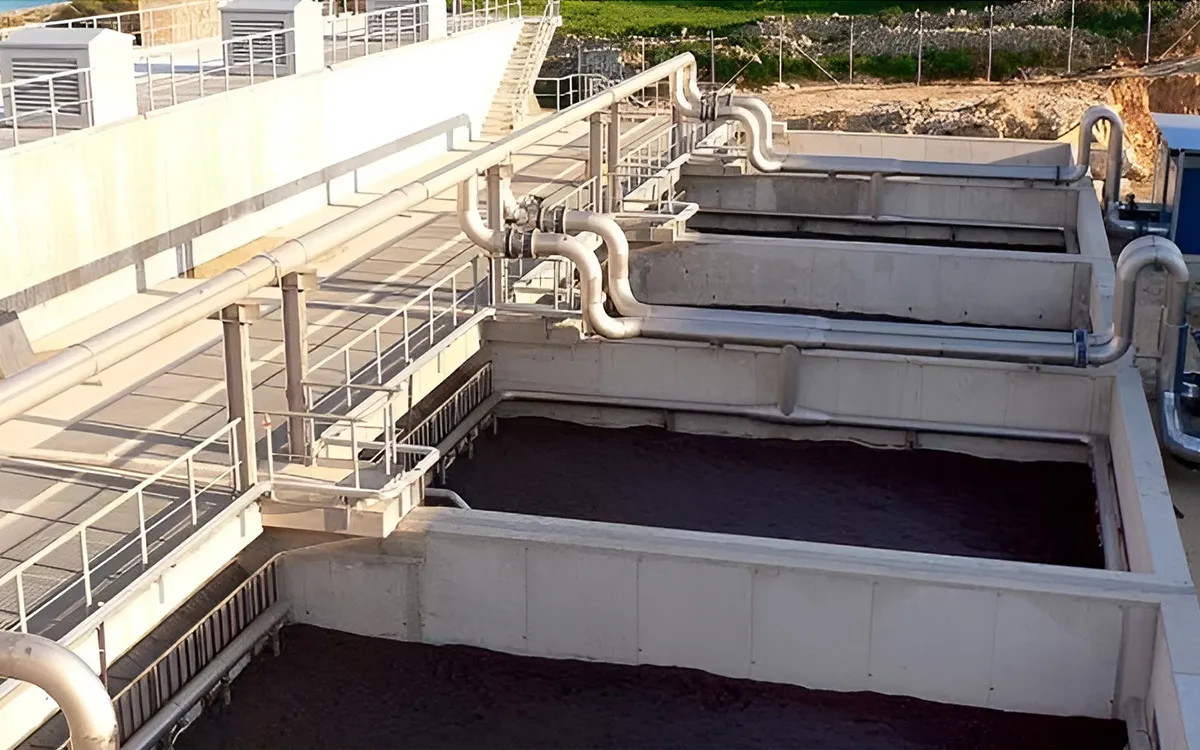
At the heart of the treatment process are biological aerated filters (BAFs) filled with Filtralite® Clean, marketed as Biolite® in the Suez-patented BIOFOR® technology. Filtralite’s high porosity and specific surface area support the growth of a stable biofilm of microorganisms that degrade organic matter and remove nitrogen compounds efficiently.
In total, the plant uses 6,000 m³ of Filtralite Clean in 20 biofilters — 8 for denitrification and 12 for the removal of organic compounds and nitrogen. The biofilters operate as fixed-bed reactors, where wastewater passes through the expanded clay media and biological processes convert pollutants into harmless by-products.
Following biological treatment, the water undergoes sand filtration to remove fine particles and bacteria, and UV disinfection to eliminate remaining microorganisms. The final effluent quality meets the stringent standards for safe discharge and reuse.
Approximately two-thirds of the treated water is released into the Mediterranean Sea as bathing-quality water, contributing significantly to the restoration of the coastal marine environment. The remaining one-third is reused for agricultural irrigation, supporting sustainable water resource management in Malta’s arid climate.
Thanks to the integration of Filtralite Clean, the Ta’ Barkat plant has transformed Malta’s wastewater management system, turning a major environmental challenge into a model of sustainable water treatment. It has helped the country comply with EU water quality standards, improved coastal ecosystem health, and created new opportunities for water reuse — demonstrating how advanced biofiltration solutions can deliver both environmental and economic benefits.

Designed for wastewater treatment plants and treatment of industrial waters, Filtralite Clean is a filter media suitable for both biological treatment and tertiary filtration.